

Fructose may promote the spread of ovarian cancer after chemotherapy – study
Scientists from The Wistar Institute found in preclinical experiments that fructose may weaken the bonds between ovarian cancer cells and facilitate its spread.
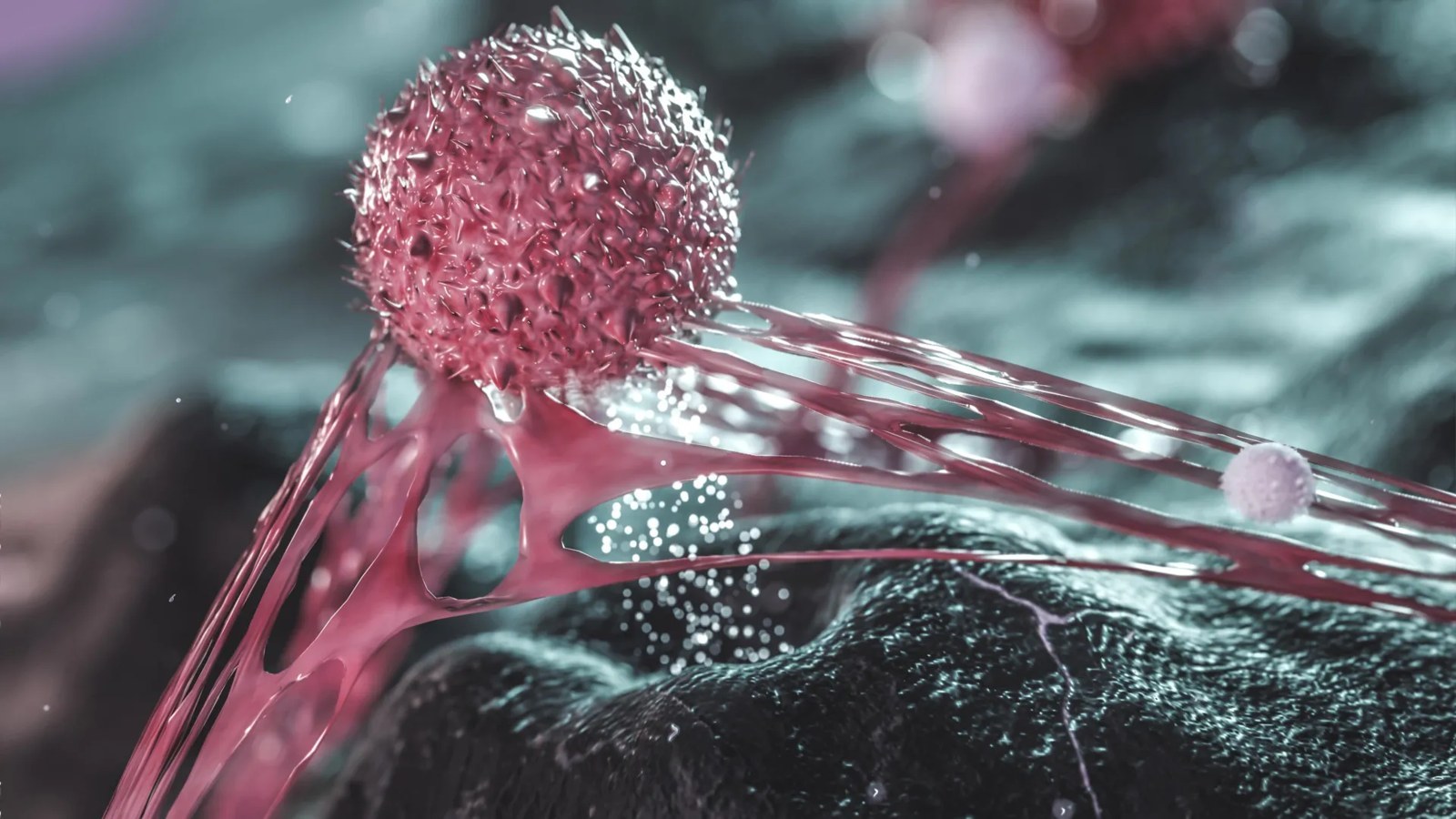
The study was published on November 11, 2026, in the journal Nature Aging. Scientists examined ovarian cancer cells that survived platinum-based chemotherapy. These cells were no longer proliferating but continued to secrete molecules that affected neighboring cells.
One such molecule was fructose—a sugar found in fruits, honey, sweetened beverages, and processed foods. In experiments, it reduced cholesterol production in adjacent cancer cells. Cholesterol is involved in maintaining bonds between cells, so its deficiency weakened these bonds, making it easier for cells to detach from one another.
In a preclinical model, substances secreted by treatment-surviving cells enhanced tumor spread even without the presence of the cells themselves. High fructose consumption, comparable to its levels in sweetened beverages, also triggered signals associated with cancer spread, including in the absence of chemotherapy.
Metastases account for approximately 90% of ovarian cancer deaths. However, the researchers emphasize that the study does not prove that sugar consumption causes cancer to spread in humans. The impact of reducing fructose on treatment outcomes has not yet been tested, so specific dietary recommendations based on these findings cannot be made.
Separately, scientists tested statins—cholesterol-lowering drugs. In experiments, they also weakened bonds between cancer cells. This result has not been confirmed in patients and does not imply that people should discontinue prescribed medications. Researchers plan to investigate whether a similar mechanism may operate in pancreatic, colorectal, and liver cancers.