
Shenzhen Abandons Landfilling of Household Waste and Converts It into Electricity
Since 2019, the city has not landfilled residual household waste: it is incinerated to generate electricity, while solid residues are used for construction materials.
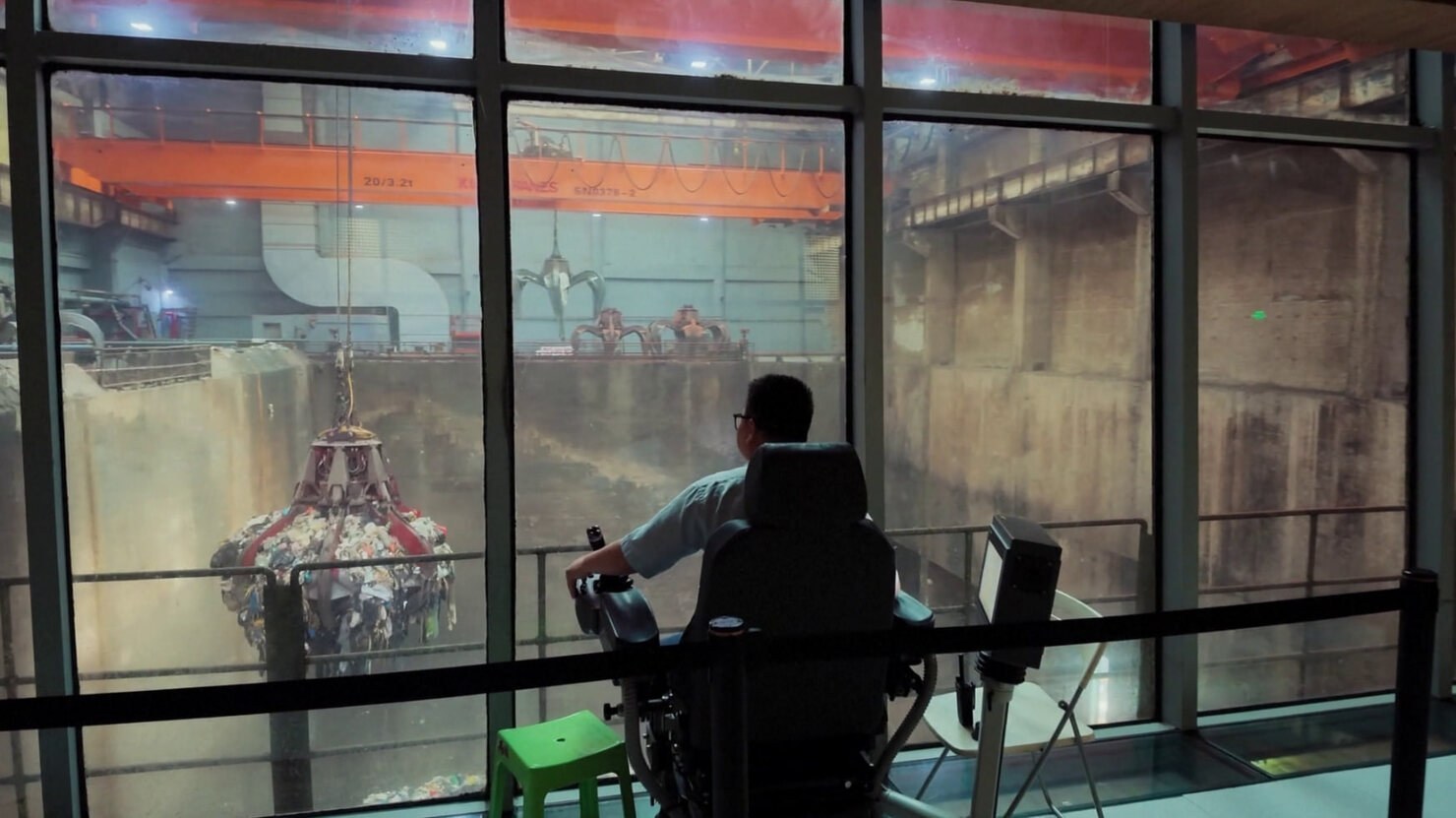
The Chinese city has completely stopped landfilling residual household waste and switched to incineration. At the Nanshan Energy complex, approximately 2,300 tons of sorted waste are processed daily.
To prevent odors from spreading across the area, the facility operates a ventilation system. Every hour, around 300,000 cubic meters of air are fed into the waste incineration furnace.
In total, Shenzhen has seven waste incineration plants. They generate electricity, and flue gases are purified using special equipment. Solid residues are used to produce construction materials. One of the walls at the Nanshan Energy building is constructed from bricks made from such materials.
Shenzhen became the first city in China to completely halt the landfilling of residual household waste. The city is now gradually cleaning up previously used landfills. In the future, ecological and industrial parks are planned to be created in their place.
At Nanshan Energy, tours are also conducted for residents. Visitors are shown the recycling process and explained the rules of waste sorting and its importance for further processing.